In the Field. In Production.
Prior deployments. Real manufacturing.
A proprietary composite with a closed molecular crosslink structure — 10× stronger than steel, 6% the weight, fire-rated to 1,315°C, and moldable to any shape.
Measured against the materials that have defined construction, manufacturing, and infrastructure for over a century.
| Property | Sylentra Composite | Structural Steel | Aluminum | Conventional GFRP |
|---|---|---|---|---|
| Relative Weight | 6% of steel | Baseline | ~35% of steel | ~25% of steel |
| Relative Strength | 10× steel | Baseline | ~0.5× steel | ~1–2× steel |
| Fire Rating | 1,315°C | ~650°C (fails) | ~660°C (melts) | ~300°C |
| Heat Transfer | None | High conductor | Very high | Low |
| Corrosion | Zero — ever | Rusts without treatment | Oxidizes | Some degradation |
| Recyclability | 100% | High | High | Difficult |
| Moldability | Any shape | Limited | Moderate | Moderate |
| Color Options | Any color | Limited | Limited | Limited |
Conventional materials — steel, aluminum, standard composites — were engineered for a different era. Sylentra's composite was built from first principles to meet the demands of the 21st century.
The foundation is a closed molecular structure with advanced crosslink technology — engineered using high-performance fabrics, specialty resins, aerospace-grade adhesives, and structural core materials.
The result is a material that doesn't just outperform steel and aluminum in strength — it eliminates the failure modes that have constrained conventional materials for generations.
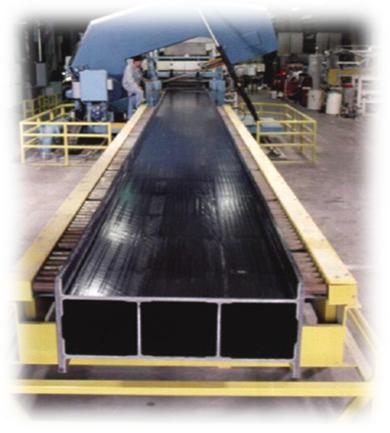
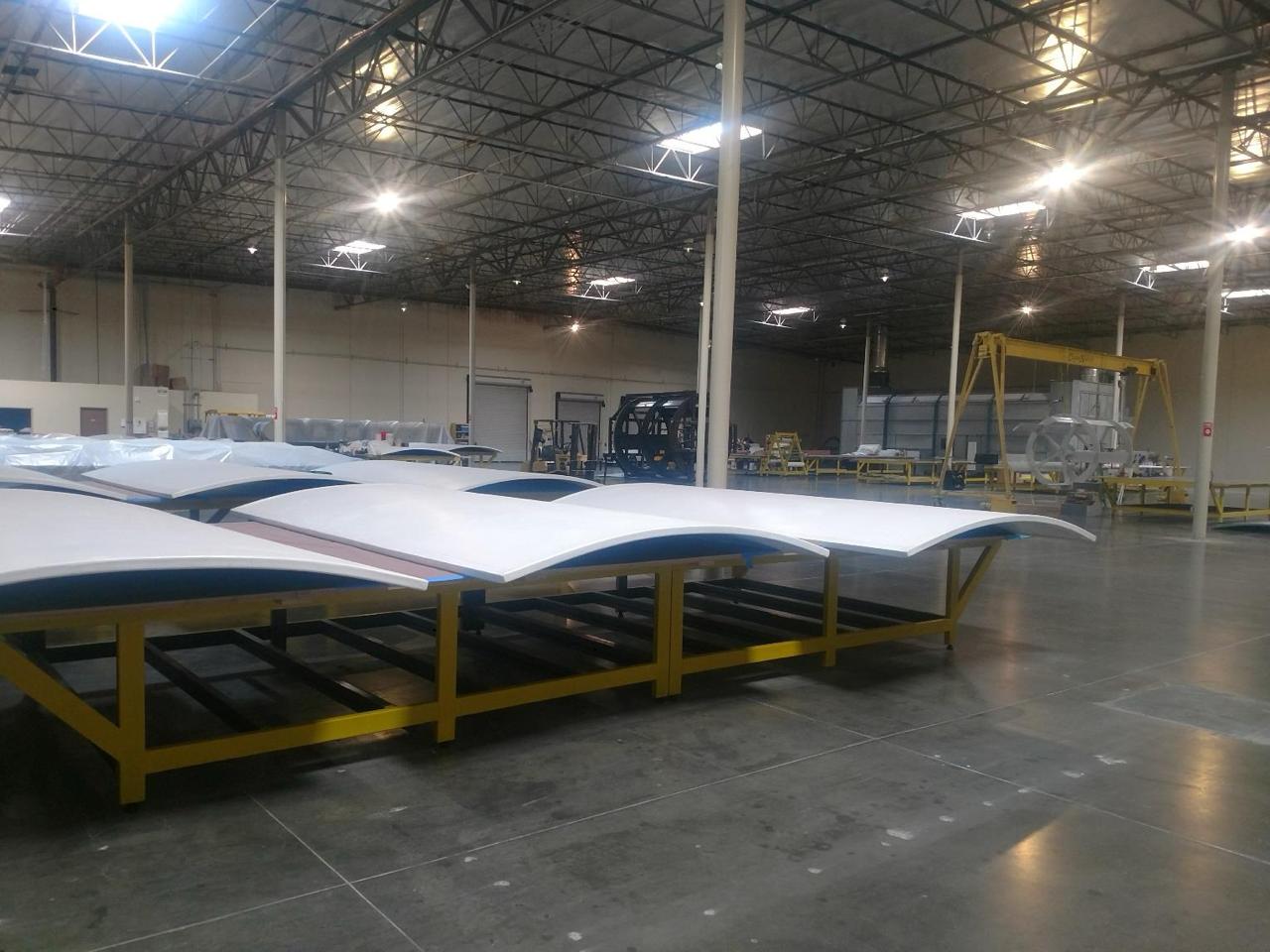
The composite technology behind Sylentra is not a laboratory concept. Prior to Sylentra's formation, this material was manufactured and deployed in real-world environments across multiple continents. Manufactured at room temperature — no autoclave, no freezer — with a certified 50-year lifespan and ASTM-validated performance across tensile, flexural, and compressive testing by Element Los Angeles laboratory.
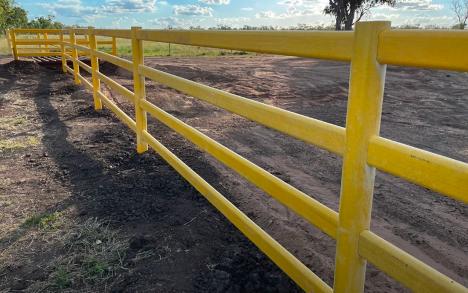
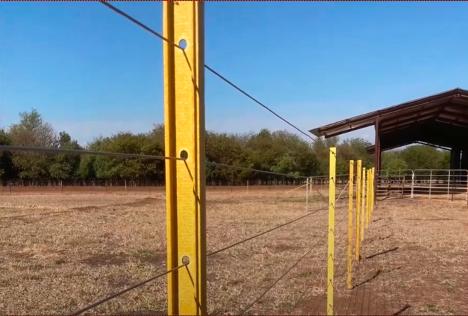
Prior to Sylentra's formation, pultruded composite profiles were deployed as fencing in Australian agricultural environments. Specified in high-visibility yellow for aerial detection by mustering helicopters and animal safety — demonstrating the material's full color customization capability. Zero corrosion. Zero maintenance.
Prior to Sylentra's formation, structural panels and elements were used in modular housing construction. Lighter to transport, faster to assemble, and built to outlast conventional wood and steel-frame structures. Fire-resistant to 1,315°C — a transformative safety advantage.
Prior to Sylentra's formation, composite container structures were developed that outperform steel in strength at 6% the weight — with direct implications for fuel efficiency, cargo capacity, and total lifecycle cost.
Prior to Sylentra's formation, hulls, catamarans, and ferry structures were built benefiting from total corrosion immunity — a defining advantage in saltwater environments where conventional metals degrade continuously.
The composite enables blade geometries impossible with conventional materials — lighter, stronger, and with superior fatigue resistance. Prior to Sylentra's formation, five prototype turbines were constructed and operated across multiple scales.
Structural panels for commercial and residential construction. Combinations of the composite's thermal isolation, fire rating, and strength create a building material that redefines what sustainable construction can achieve.
Sylentra's composite formulation, crosslink process, and fabrication methods are protected intellectual property. The full technical specification — including material composition, structural properties, and manufacturing process — is available to qualified investors and strategic partners under NDA.